Lawn Care in Kingston upon Thames: A Practical, Seasonal Approach to a Healthier Garden
Keeping a lawn looking smart in Kingston upon Thames is about more than mowing every now and then. With local weather patterns, mixed soil conditions, shaded gardens, and busy family lifestyles, lawn care in Kingston upon Thames needs a sensible, tailored approach. Whether your garden is a small town plot, a riverside lawn, or a larger family space, the right routine can make a dramatic difference to how your grass grows, feels, and performs throughout the year.
Good lawn care Kingston upon Thames residents can rely on usually starts with understanding the lawn itself. Some gardens have heavy clay soil, others are free-draining, and many have patches affected by shade from mature trees or nearby buildings. These conditions influence everything from mowing height to fertilising, watering, aeration, and weed control. With a well-planned strategy, even a tired-looking lawn can recover and become a healthier, greener part of the garden.
In this article, we will look at the most effective ways to improve lawn care in Kingston upon Thames, from seasonal maintenance to problem-solving, and from choosing the right grass treatment to knowing when to call in professional help. If you want a lawn that is attractive, resilient, and enjoyable for everyday use, the key is consistency, timing, and attention to detail.
Why Lawn Care in Kingston upon Thames Needs a Local Approach

Not all lawns are the same, and that matters. In Kingston upon Thames, lawns often face a mix of urban conditions and garden-specific challenges. Air pollution, foot traffic, pets, drought spells, damp shaded corners, and compacted soil can all affect growth. That is why lawn care in Kingston upon Thames should never be treated as a one-size-fits-all routine.
Local gardens may also experience fast changes in moisture levels. A lawn in an open, sunny space may dry out quickly in spring and summer, while a shaded lawn may remain damp for longer and become more vulnerable to moss. This means mowing, watering, and feeding should be adapted to the conditions of each area rather than applied rigidly across the whole lawn.
Another important factor is the appearance of the lawn over time. Many homeowners want more than just green grass; they want a lawn that feels neat, soft underfoot, and capable of handling children, pets, and gatherings. Effective lawn care Kingston upon Thames homeowners choose often balances aesthetics with durability, creating a surface that looks good and stands up to daily life.
Understanding Your Lawn Before You Start

Before changing your mowing pattern or applying treatments, it helps to assess the lawn in detail. Start by looking at the grass colour, density, texture, and overall growth pattern. Is the lawn thin in places? Are there bare patches? Does moss appear in shaded sections? Is the grass growing unevenly or turning yellow in dry areas? These small observations can reveal the root of the problem.
Soil type is another major part of effective lawn care in Kingston upon Thames. Clay-heavy soil may hold water and become compacted, while sandy soil can lose moisture too quickly. Many local lawns benefit from aeration and topdressing because these treatments help improve drainage, reduce compaction, and support stronger roots. If you want better results, know your soil before choosing products or routines.
It is also worth noting how the lawn is used. A decorative front lawn usually needs different care from a back garden where children play daily. High-traffic lawns often require stronger grass recovery, more frequent aeration, and sensible mowing. In contrast, low-traffic lawns may be kept slightly longer and treated more gently to preserve their condition. The best lawn care in Kingston upon Thames reflects real use, not just appearance.
Key signs your lawn needs attention
- Patchy or thinning grass
- Moss build-up in shaded or damp areas
- Soil that feels hard or compacted underfoot
- Uneven colour or yellowing patches
- Weeds spreading through open areas
- Standing water after rain
Seasonal Lawn Care in Kingston upon Thames

Seasonal timing makes a huge difference. What works in spring may not be ideal in summer or autumn. A strong lawn care Kingston upon Thames plan should shift with the weather, growth rate, and soil conditions throughout the year.
Spring is the season of recovery. After winter, lawns often look tired, compressed, and patchy. This is a good time to rake out dead grass, remove debris, aerate compacted areas, and apply the right fertiliser to encourage fresh growth. It is also the period when weed control becomes important, because many lawn weeds begin actively growing as temperatures rise.
Summer brings both opportunity and stress. Grass usually grows strongly early in the season, but heat and dry spells can slow it down later. Mowing should be adjusted so the grass is not cut too short, because longer blades help shade the soil and reduce moisture loss. Watering, if needed, should be deep and occasional rather than shallow and frequent. Proper summer lawn care in Kingston upon Thames protects the turf during warmer conditions.
Autumn and winter priorities
Autumn is one of the most important periods for lawn improvement. The cooler weather and still-warm soil create ideal growing conditions. This is a great time for overseeding thin patches, applying autumn feed, and improving soil structure with aeration and topdressing. Many of the best results in lawn care in Kingston upon Thames come from what is done during autumn rather than spring alone.
Winter requires a lighter touch. Avoid walking on frosty grass, reduce mowing significantly, and keep the lawn clear of fallen leaves and debris where possible. Excess moisture and low light can encourage moss and fungal issues, so drainage and cleanliness matter. Winter is not the time for heavy intervention, but it is the season to protect the lawn from unnecessary damage.
Mowing Techniques That Improve Lawn Health

Mowing is one of the most visible parts of lawn care in Kingston upon Thames, yet it is often done too quickly or at the wrong height. Good mowing does more than shorten grass; it supports density, encourages even growth, and helps the lawn resist weeds and stress. The general rule is simple: never remove too much growth at once.
Cutting the grass too short can weaken the lawn, expose the soil, and increase the risk of drying out. A healthier approach is to mow regularly and lightly during the growing season. This keeps the lawn tidy while reducing stress on the grass plant. For many gardens, a slightly higher cut is especially useful during dry periods or in shaded locations.
Sharp mower blades are essential. Dull blades tear the grass instead of cutting it cleanly, which can leave the lawn looking frayed and vulnerable to disease. If you are serious about lawn care in Kingston upon Thames, mower maintenance should be part of the routine. A clean cut supports better recovery and a better-looking finish.
Practical mowing tips
- Mow little and often during peak growth
- Avoid cutting more than one-third of the grass height at once
- Use a higher setting during hot or dry weather
- Keep mower blades sharp and clean
- Change direction occasionally to reduce ruts and soil compaction
Feeding, Watering, and Soil Improvement
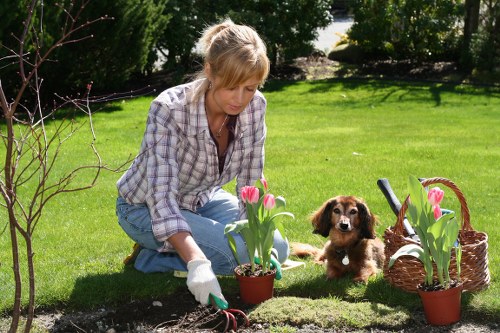
Feeding the lawn correctly can transform both colour and resilience. A balanced fertiliser gives grass the nutrients it needs to grow strongly, recover after mowing, and resist stress from weather or foot traffic. In lawn care Kingston upon Thames properties, feeding is often most effective when matched to the season and the condition of the soil.
Spring feeds generally promote green growth and recovery. Autumn feeds often strengthen roots and prepare the lawn for cooler months ahead. Choosing the wrong feed at the wrong time can lead to weak, excessive top growth or poor root development. The aim should be steady, healthy improvement rather than rapid but unstable growth.
Watering also needs balance. New lawns and newly seeded areas require consistent moisture, but established lawns usually do better with occasional deep watering rather than frequent light sprinkling. Deep watering encourages roots to grow further into the soil, helping the turf cope better during dry periods. In many cases, rainfall will do most of the work, but lawns in sunny, sheltered Kingston gardens may still need extra support in summer.
Ways to improve soil health
Aeration is one of the most valuable treatments for compacted lawns. By allowing air, water, and nutrients to move into the soil more freely, aeration supports stronger root development. This is especially useful where the lawn receives heavy foot traffic or where the soil has become hard over time.
Topdressing with a suitable mix of sand, compost, or soil can also help level uneven patches and improve surface quality. Combined with overseeding, it is an excellent way to refresh tired areas. These treatments are often part of effective lawn care in Kingston upon Thames because many local lawns benefit from structural improvement, not just surface maintenance.
Managing Weeds, Moss, and Bare Patches
Every lawn faces challenges, and weeds are among the most common. Broadleaf weeds such as dandelions and clover can spread rapidly if left untreated. A dense, healthy lawn is the best long-term defence because strong turf naturally crowds out many invasive plants. However, where weeds are already established, targeted control may be needed as part of your lawn care in Kingston upon Thames routine.
Moss often appears where grass is weak, shade is heavy, or drainage is poor. While moss may look green and soft, it usually indicates that the lawn is not thriving. Addressing moss means tackling the underlying issue: improving light, reducing shade where possible, aerating the soil, and feeding the grass properly. Simply removing moss without changing the conditions only gives a temporary result.
Bare patches can be caused by pets, wear, drought, disease, or poor soil quality. The best approach is to lightly rake the area, loosen the soil, add seed, and keep it moist until the new grass is established. In high-traffic areas, reseeding may need to be combined with better lawn use habits or small layout changes to reduce repeated damage. This practical approach is central to successful lawn care in Kingston upon Thames.
When patch repair is most effective
- After aeration, when soil is open and receptive
- During mild, moist weather in spring or autumn
- In areas with enough light for new grass to grow
- After removing dead grass, moss, and debris
- When the lawn can be kept lightly watered until established
Common Lawn Problems in Kingston upon Thames and How to Handle Them
Different homes in Kingston upon Thames face different lawn problems, but some issues appear again and again. Shade is a major one, especially in gardens bordered by trees, walls, or taller buildings. Grass in shade often grows more slowly and may become thin, mossy, or pale. Choosing shade-tolerant grass seed and adjusting mowing height can help improve results over time.
Compaction is another frequent issue. Family lawns, paths through the grass, and repeated use by pets can squeeze the soil tightly together. When this happens, roots struggle to access oxygen and water. Aeration, topdressing, and reduced traffic during recovery periods are some of the best ways to restore balance. Solid, practical lawn care in Kingston upon Thames often begins with fixing compaction before any cosmetic treatment.
Weather fluctuations are also a reality. Wet springs, hot summers, and damp winters each present different challenges. Rather than reacting only when problems become obvious, successful lawn care involves regular observation and small adjustments. If the lawn is changing colour, slowing down, or developing uneven growth, that is the moment to act.
Professional Lawn Care vs DIY Maintenance
Many homeowners enjoy looking after their own lawns, and with the right knowledge, DIY maintenance can work well. Mowing, light feeding, basic watering, and leaf clearing are all manageable tasks for most people. However, more technical jobs such as scarifying, intensive aeration, soil correction, and weed treatment may benefit from professional support.
Choosing professional lawn care in Kingston upon Thames can be especially helpful for larger gardens, heavily shaded lawns, or lawns that have been neglected for some time. A professional can assess the turf, identify underlying problems, and build a targeted plan rather than applying generic treatments. This can save time and often prevents repeated mistakes that slow recovery.
The decision between DIY and professional care often comes down to time, confidence, and lawn condition. If the lawn simply needs routine mowing and feeding, home maintenance may be enough. If the lawn is struggling with weeds, moss, drainage issues, or persistent bare spots, expert help may be the more efficient route. Either way, consistency remains the key.
Benefits of professional support
- Accurate diagnosis of lawn issues
- Seasonal treatment plans tailored to local conditions
- Access to specialist equipment and products
- Improved results for difficult lawns
- Time saved on labour-intensive tasks
Creating a Year-Round Lawn Care Routine
A healthy lawn does not happen by accident. It comes from a repeating routine that changes with the seasons but remains steady in purpose. Good lawn care in Kingston upon Thames should include regular checks, thoughtful mowing, periodic feeding, and occasional soil improvement. Small actions done consistently are far more effective than occasional major interventions.
Start by building a simple schedule. In spring, focus on recovery and preparation. In summer, focus on resilience and moisture management. In autumn, strengthen and repair. In winter, protect and avoid damage. This pattern makes lawn care easier to manage and helps the grass respond more positively across the whole year.
It is also useful to keep a basic record of what you have done. Note when the lawn was fed, aerated, overseeded, or treated for weeds. Over time, this makes it much easier to understand what works best in your particular garden. The most effective lawn care in Kingston upon Thames is always informed by observation and experience.
Simple year-round lawn routine
- Mow regularly during active growth
- Remove leaves and debris before they build up
- Feed at the right times of year
- Aerate compacted areas when needed
- Overseed thin patches in mild weather
- Watch for signs of moss, weeds, and disease
Why Better Lawn Care Adds Value to Your Home
A well-maintained lawn does more than improve appearance. It can make a garden feel larger, cleaner, and more inviting. For homes in Kingston upon Thames, where outdoor space is often highly valued, a healthy lawn can contribute to curb appeal and everyday enjoyment. Even a modest improvement in grass quality can make a noticeable difference to the whole garden.
There is also a practical benefit. Strong grass helps stabilise soil, reduce dust, and create a comfortable space for relaxation and play. A lawn that is well managed is easier to maintain over time because problems are caught early and addressed before they spread. That is one reason why consistent lawn care in Kingston upon Thames is such a worthwhile investment.
Perhaps the biggest benefit is simply satisfaction. A neat, green lawn makes the garden feel cared for. It creates a better setting for family time, outdoor meals, and seasonal use. When the grass looks healthy, the entire outdoor space feels more usable and more enjoyable. If you want to improve your garden now, contact us today or book your service now to take the next step toward a better lawn.
Final Thoughts
Successful lawn care in Kingston upon Thames is built on local awareness, seasonal timing, and regular maintenance. From mowing and feeding to aeration and weed control, each step works best when it is adapted to the condition of the lawn and the character of the garden. By paying attention to soil health, growth patterns, shade, and weather, you can build a lawn that looks better and performs better throughout the year.
Whether you maintain your lawn yourself or use professional support for more demanding tasks, the most important thing is to stay consistent. Small, regular actions will always deliver better long-term results than occasional rushed fixes. If your lawn needs extra attention, now is the perfect time to improve it and enjoy the benefits for the months ahead. Book your service now and give your garden the care it deserves.

