Flower Bed Creation in Kingston upon Thames: Stylish, Practical, and Built to Thrive
Flower bed creation in Kingston upon Thames is one of the most effective ways to transform an outdoor space into something attractive, welcoming, and easy to enjoy throughout the year. Whether you have a compact courtyard, a family garden, a front border, or a larger landscaped plot, a well-planned flower bed can add colour, structure, seasonal interest, and value to your property. In a place like Kingston upon Thames, where gardens often reflect a mix of traditional charm and modern living, thoughtful planting makes a noticeable difference.
Creating flower beds is not only about choosing pretty plants. It is about understanding your soil, sunlight, local conditions, and the way the garden is used. Good flower bed creation in Kingston upon Thames blends design and practicality, helping homeowners achieve healthy planting that looks good in every season. From edging and soil preparation to plant selection and long-term maintenance, every step matters.
Many residents look for flower bed ideas that suit South West London’s changing weather, varied garden sizes, and urban environment. The best results come from planning with purpose: deciding where the beds should go, what style suits the home, and which plants can deliver reliable performance. Done well, flower bed creation becomes a lasting feature that improves kerb appeal, supports pollinators, and creates a more relaxing outdoor atmosphere.
Why Flower Bed Creation Matters in Kingston upon Thames
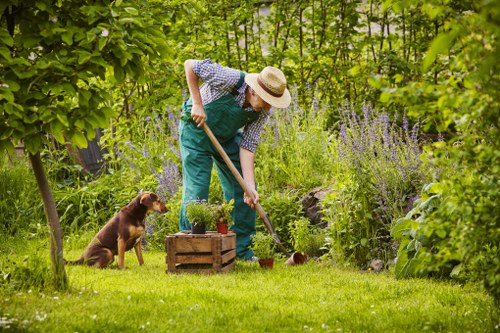
Flower bed creation in Kingston upon Thames is popular for a reason. Local gardens often need smart use of limited space, and flower beds provide a simple yet powerful way to structure the landscape. They can soften hard paving, frame lawns, brighten entrances, and create focal points that make a garden feel complete. Even a small bed can have a big visual impact when it is designed carefully.
For many properties, especially those with front gardens or shared side spaces, flower beds offer a way to improve first impressions without major construction work. A neatly designed border filled with perennials, shrubs, and seasonal flowers can change how a property looks from the street. In Kingston upon Thames, where many homeowners value a polished exterior, this is especially important.
Flower bed creation also supports biodiversity. By selecting plants that attract bees, butterflies, and other beneficial insects, homeowners can create a garden that is beautiful and environmentally useful. Pollinator-friendly planting is a practical choice as well as a stylish one, especially when combining native and garden-friendly species.
Planning Your Flower Bed Layout
The first stage of flower bed creation in Kingston upon Thames is planning. Before digging anything, it is important to assess the site and decide what you want the bed to achieve. Is it meant to add colour to a boundary, provide a layered planting scheme, or create a feature near a patio? Clear goals make the rest of the process much easier.
Layout should suit the property style and the available space. A curved border can soften a formal lawn, while a straight-edged bed may work better in a modern setting. Raised beds are useful where soil quality is poor or drainage needs improvement. Smaller gardens often benefit from narrow but carefully planted beds that do not overwhelm the space.
To get the layout right, consider these points:
- How much sunlight the area receives
- Whether the soil drains well or holds water
- How large the plants will grow at maturity
- Whether the bed will be viewed from one side or several angles
- How much maintenance you are willing to carry out
Think About Garden Style
Flower bed creation should match the character of the home. A cottage-style garden might suit soft planting with mixed colours and informal shapes. A contemporary property may benefit from cleaner lines, repeated planting, and structured evergreen shrubs. Matching the style to the property helps the flower bed feel intentional rather than added on.
Understanding Soil and Site Conditions
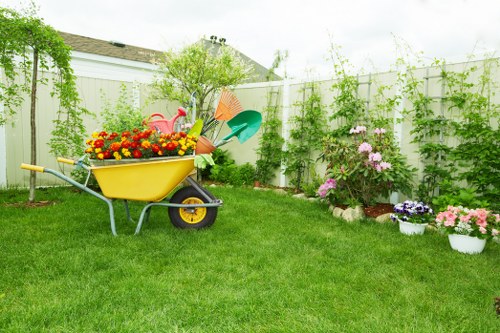
Soil preparation is one of the most important steps in flower bed creation in Kingston upon Thames. Many successful beds depend on improving the ground before planting. Local soil can vary from clay-heavy areas to lighter, freer-draining patches, and each type needs a different approach. Healthy soil helps roots establish quickly and supports stronger flowering over time.
If the soil is compacted, poor quality, or full of rubble, it should be improved with organic matter such as compost or well-rotted manure. This helps retain nutrients and improves structure. In wetter spots, adding grit or considering raised beds may help with drainage. In drier areas, mulch can reduce water loss and protect roots during warm spells.
Sunlight is another key factor. Some plants need full sun, while others thrive in partial shade. Before choosing plants, observe the site at different times of day. A north-facing front garden, for example, may need shade-tolerant planting, while a south-facing border can support more sun-loving flowering plants.
Soil Preparation Checklist
- Remove weeds, stones, and debris
- Loosen compacted soil with a fork or spade
- Work in compost or organic matter
- Check drainage after rainfall
- Level and shape the bed before planting
Choosing the Right Plants for Kingston upon Thames Gardens

Plant selection is where flower bed creation in Kingston upon Thames becomes truly exciting. The best planting schemes combine visual appeal with practicality, ensuring the bed looks good not just in spring, but all year round. A balanced mix of evergreen structure, long-flowering perennials, and seasonal highlights creates depth and interest.
For reliable performance, choose plants that suit local conditions and are easy to maintain. Some excellent options for a Kingston garden may include hardy perennials, ornamental grasses, compact shrubs, and flowering bulbs. Repetition of key plants can create a coherent look, while a few feature plants add contrast and interest.
Consider blending texture and height as well as colour. Tall plants can provide a backdrop, medium-height plants fill the middle layer, and low-growing edging plants can define the front of the bed. This layered approach gives flower bed creation a more professional result and helps avoid a flat or overcrowded look.
Popular Planting Categories
- Perennials: return year after year and provide seasonal colour
- Annuals: excellent for immediate impact and changing displays
- Shrubs: add structure and consistency
- Bulbs: give early spring and summer interest
- Evergreens: keep the bed looking full in winter
Colour planning is also essential. Some homeowners prefer a calming palette of whites, blues, and purples, while others enjoy brighter reds, oranges, and yellows. Both approaches can work well, as long as the colours are balanced and repeated thoughtfully.
Design Ideas for Attractive Flower Beds

There are many ways to approach flower bed creation in Kingston upon Thames, and the best design is often the one that fits both the property and the people using it. A simple, well-structured design can be just as striking as a highly detailed planting scheme. The key is to achieve balance, proportion, and harmony.
One effective idea is a border that combines evergreen structure with seasonal flowering plants. This allows the bed to maintain shape in winter while still offering bursts of colour through the year. Another approach is a pollinator-friendly bed with nectar-rich flowers chosen for continuous blooming. These designs are especially appealing for homeowners who want an attractive garden that also benefits wildlife.
For smaller spaces, vertical layering can create the illusion of more depth. Tighter spacing, compact plants, and carefully chosen focal points help avoid a cluttered appearance. In larger gardens, repeated groups of plants create rhythm and draw the eye through the space. Flower bed creation in Kingston upon Thames often works best when the design is simple enough to maintain but rich enough to feel interesting.
Design Features That Improve Impact
- Curved or neatly edged borders
- Layered planting heights
- Seasonal colour changes
- Evergreen backbones for winter structure
- Mulched finishes for a clean, professional look
Tip: Keep a few design rules consistent across the bed, such as repeating the same plant in several places or limiting the colour palette. This creates unity and helps the flower bed feel polished rather than random.
The Flower Bed Creation Process Step by Step
Although each garden is different, the process of flower bed creation in Kingston upon Thames usually follows a similar pattern. Starting with a good plan prevents problems later and helps ensure the bed develops well over time. A careful, methodical approach is worth far more than rushing into planting without preparation.
First, the area should be measured and marked. This makes it easier to visualise the final bed and avoid encroaching on lawns, paths, or driveways. Next, the ground should be cleared, shaped, and improved. Once the bed is ready, plants can be positioned before planting begins. This allows adjustments to be made before any roots go into the soil.
After planting, watering is essential, especially during the first few weeks. Plants need time to settle in and establish their root systems. A layer of mulch helps retain moisture and suppress weeds. From that point onward, regular light maintenance keeps the bed looking its best and prevents it from becoming overgrown.
Typical Steps in Order
- Assess the site and define the bed shape
- Clear existing weeds and debris
- Improve the soil with compost or organic matter
- Choose suitable plants for the site conditions
- Arrange plants before final planting
- Plant, water, mulch, and monitor establishment
Why Preparation Saves Time Later
Proper preparation reduces the need for constant rework. When beds are created with a clear structure and healthy soil, plants grow more reliably and maintenance becomes much easier. That is one of the main reasons careful flower bed creation in Kingston upon Thames is such a worthwhile investment.
Seasonal Flower Bed Ideas for Year-Round Interest
One of the biggest advantages of well-planned flower bed creation in Kingston upon Thames is the ability to enjoy interest across all four seasons. A garden does not need to look the same all year. In fact, it is often better when the bed changes gradually, offering fresh highlights as the months pass.
Spring beds can focus on bulbs, early perennials, and fresh green growth. Summer planting can deliver strong colour, fuller textures, and more dramatic blooms. Autumn beds often benefit from grasses, late-flowering perennials, and foliage changes. In winter, structure and evergreen planting keep the garden from appearing bare.
Using a seasonal approach ensures the bed always has something to offer. It also spreads out visual interest, meaning the garden feels alive for longer. This is especially useful in urban and suburban settings, where residents want their outdoor spaces to feel attractive no matter the time of year.
Seasonal Planting Examples
- Spring: tulips, daffodils, primroses, and hellebores
- Summer: salvia, geraniums, lavender, and rudbeckia
- Autumn: asters, sedum, ornamental grasses, and late dahlias
- Winter: evergreens, winter pansies, skimmia, and hellebores
Year-round planning is especially useful when flower beds are visible from the road or enjoyed from inside the home. A mix of structure and seasonal change ensures that flower bed creation remains attractive in every month.
Edging, Borders, and Finishing Touches
The finishing details matter just as much as the plants themselves. Clean edging gives flower bed creation in Kingston upon Thames a tidy, professional appearance. Whether the bed is bordered by lawn, paving, gravel, or a pathway, a clear edge helps define the space and prevents grass or weeds from invading.
There are several edging options to consider. Brick edging offers a traditional look, while metal edging is more modern and discreet. Natural stone creates a classic finish, and timber can suit softer garden styles. The best choice depends on the look you want to achieve and how much maintenance you prefer.
Mulching is another important finishing step. A layer of bark, compost, or decorative mulch can improve moisture retention, reduce weeds, and give the bed a cleaner appearance. Combined with crisp borders and well-spaced plants, it completes the look of the flower bed and supports plant health at the same time.
Common Edging Options
- Brick or reclaimed brick
- Stone or paving
- Steel or aluminum edging
- Timber edging
- Spade-cut natural edges
Maintenance for Long-Lasting Results
Flower bed creation in Kingston upon Thames does not end when the last plant goes in the ground. Ongoing maintenance keeps the bed healthy, tidy, and productive. Fortunately, once a bed has been properly established, the upkeep can be manageable and rewarding rather than difficult.
Regular watering is important during dry periods, especially for newly planted beds. Weeding should be done consistently so that unwanted plants do not compete with ornamentals for nutrients and space. Deadheading spent blooms encourages further flowering in many species and keeps the bed looking fresh. Seasonal trimming and mulching also help maintain shape and health.
Checking for pests, disease, and overcrowding is useful too. As plants mature, some may need dividing or moving to keep the design balanced. A little attention at the right time can prevent larger issues later. That is why maintenance should be part of the original plan, not an afterthought.
Simple Ongoing Care Tasks
- Water during dry spells, especially in the first year
- Remove weeds before they spread
- Deadhead flowers to extend blooming
- Refresh mulch once or twice a year
- Prune and divide plants as needed
Consistent care helps any flower bed become more attractive over time. Instead of fighting against neglect, the garden grows into a reliable and enjoyable space.
Benefits of Professional Flower Bed Creation
Many homeowners choose professional help for flower bed creation in Kingston upon Thames because it saves time, improves results, and removes guesswork. A skilled team can assess the site properly, select suitable plants, and create a planting design that works in real conditions, not just on paper. This can be especially valuable where soil is difficult, the garden is shaded, or the desired style is more detailed.
Professional planning also helps avoid common mistakes such as overcrowding, choosing plants that do not suit the aspect, or underestimating future growth. A well-built flower bed should look attractive not only on the day it is planted but for months and years afterwards. That requires experience and an understanding of how different species perform in local settings.
Another advantage is efficiency. A properly organised project moves smoothly from design to preparation to planting, reducing disruption and ensuring the finished flower bed looks cohesive. For busy households, this can make the whole process far more convenient. If you want results that are tailored to your property, book your service now and start planning a garden feature that truly enhances your home.
Making Flower Bed Creation Work for Every Property
Flower bed creation in Kingston upon Thames can be adapted to almost any garden size or layout. Small urban spaces may use compact planting, raised sections, and vertical interest. Larger gardens may include sweeping borders, mixed planting zones, and layered seasonal displays. The beauty of flower beds is that they can be scaled up or down without losing impact.
Front gardens often benefit from smart, low-maintenance planting that looks neat from the street. Rear gardens may allow for more creative combinations and richer planting schemes. Side returns, patio borders, and boundary beds can all be transformed with the right mix of plants and structure. The best results come from treating each area as part of a wider design rather than as an isolated patch.
For many homeowners, the ideal outcome is a bed that feels natural, attractive, and manageable. That means choosing plants and materials that fit the lifestyle of the household. A beautiful garden should not create unnecessary work. With the right approach, flower bed creation becomes an investment in both enjoyment and ease of care.
Final Design Priorities
- Match the bed to the property style
- Choose plants that suit sunlight and soil conditions
- Build in seasonal interest and structure
- Use edging and mulch for a clean finish
- Plan maintenance from the outset
When all these elements come together, flower bed creation in Kingston upon Thames can dramatically improve the look and feel of a garden. It adds colour, order, and personality while supporting healthy growth and long-term value.
If you are ready to improve your outdoor space, contact us today to discuss flower bed creation in Kingston upon Thames and take the next step toward a garden that looks impressive in every season.

